[Revised entry by Peter Anstey and Jan-Erik Jones on August 4, 2025.
Changes to: Main text, Bibliography]
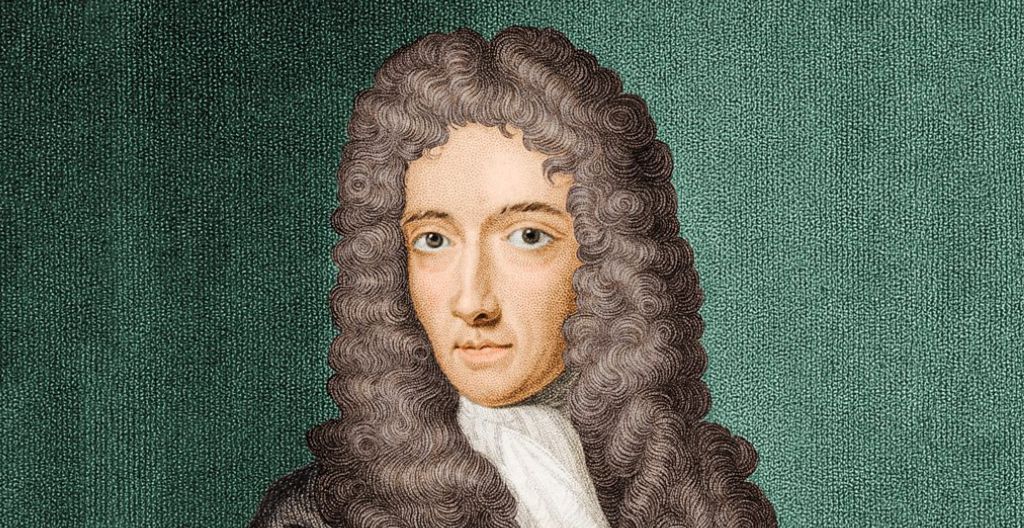
Best known today as the father of chemistry, Robert Boyle (1627 – 1691) has, since the early 1990s, emerged as a significant figure in early modern philosophy, not only through is influence on the likes of John Locke and Isaac Newton, but as a thinker in his own right. His key philosophical contributions were to early modern matter theory, the theory of material qualities, the critique of the scholastic theory of forms and the philosophy of experiment. Boyle’s intellectual range was broad and included ethics, natural theology,…
Post Views: 7
Read the full article which is published on Stanford Encyclopedia of Philosophy (external link)